
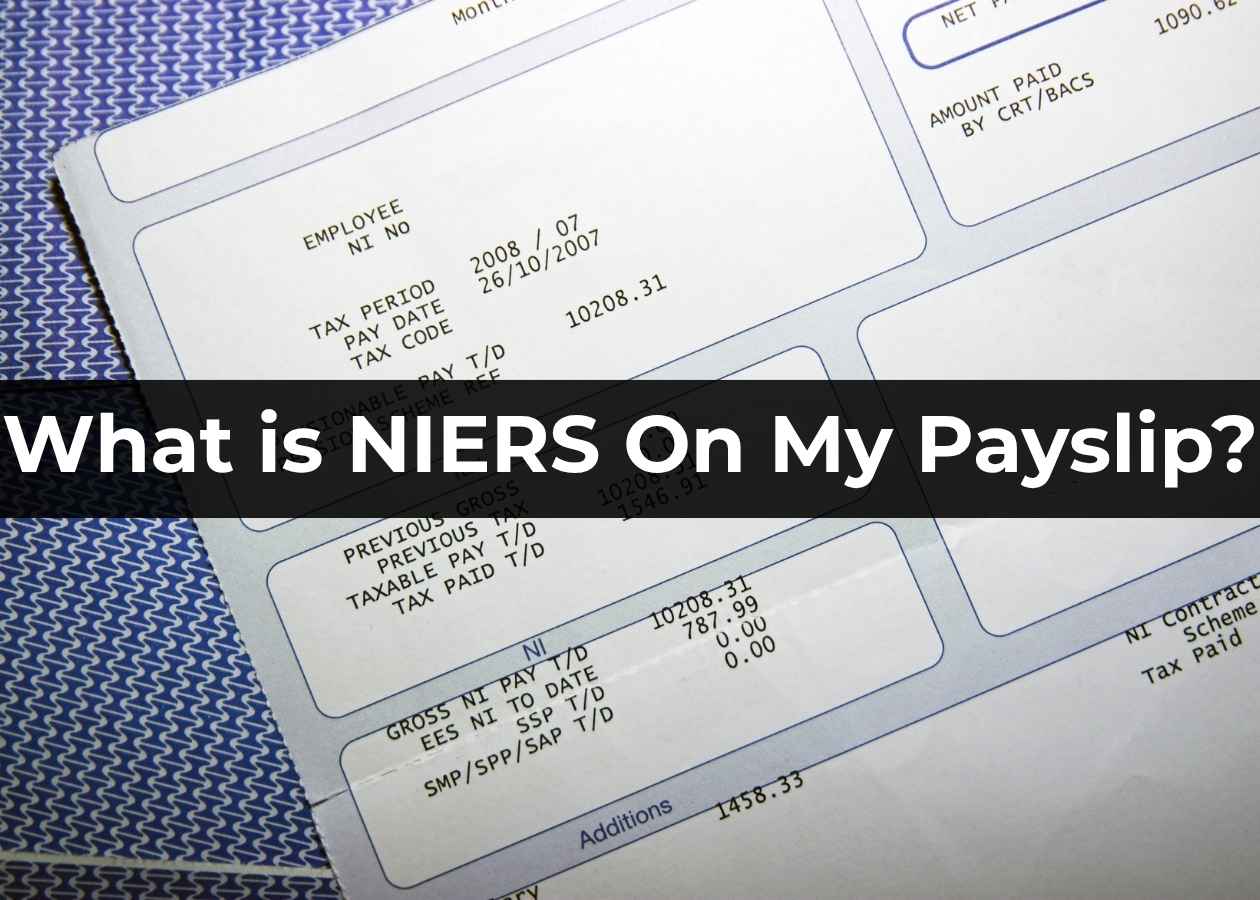

If you’ve ever spotted “HMRC payment – NIERS” on your payslip and wondered what it means, you’re not alone. Many employees, especially those paid through umbrella companies or agencies, find this line confusing.
NIERS stands for National Insurance Employers’ Contribution, and while it’s linked to National Insurance, it doesn’t come out of your own wages in the same way your employee contributions do. Instead, it’s part of the employer’s cost of hiring you, but it can appear on your payslip depending on how you’re paid.
Let’s break it down clearly so you understand what NIERS is, how it’s calculated, and why it matters to you.
What Does NIERS Stand For?
NIERS stands for National Insurance Employers’ (ERS) Contribution.
It’s the employer’s portion of National Insurance Contributions under the Pay As You Earn (PAYE) system.
Here’s a quick breakdown:
- Employee NIC (NI EE): Paid by the worker, deducted from gross pay.
- Employer NIC (NI ER or NIERS): Paid by the employer on top of your salary.
So when you see “NIERS” on your payslip, it shows the amount your employer owes to HMRC, not an amount that’s being taken from your pay. However, in umbrella arrangements, it can appear as part of your overall rate, which is why it often causes confusion.
What Is NIERS and Why Does It Appear on My Payslip?
Under UK law, all employers must pay Employer National Insurance Contributions for their employees who earn above the secondary threshold.
For the 2024/25 tax year, this threshold is £9,100 per year (or £175 per week). Any salary above that attracts an employer contribution of 13.8%.
If you’re directly employed by a company, you won’t usually see NIERS on your payslip, your employer pays it separately to HMRC.
However, if you’re working through an umbrella company, the situation is different.
In umbrella employment, the “employer” (the umbrella) receives a total assignment rate from the agency or end client. From that rate, they must cover:
- Employer NIERS
- Apprenticeship Levy
- Holiday pay
- Umbrella margin
- Your gross salary
That’s why the NIERS entry can appear on your payslip, to show how the overall rate has been allocated.
How Is NIERS Calculated?
The NIERS amount is calculated as a percentage of your gross earnings above the secondary threshold. The rate is set by HMRC and may change each tax year.
For the 2024/25 financial year:
- Employer NI rate: 13.8%
- Secondary threshold: £175 per week or £758 per month
This means your employer pays 13.8% on all earnings you make above that threshold.
The Procedure for Calculating NIERS
Let’s take an example:
If your gross pay for a week is £800, your employer’s NIERS calculation looks like this:
- Subtract the weekly threshold (£175) from your pay.
£800 − £175 = £625 - Multiply the result by 13.8% (the NIERS rate).
£625 × 13.8% = £86.25
So, your employer owes HMRC £86.25 in employer National Insurance for that week.
In umbrella arrangements, this figure forms part of your overall assignment rate. It doesn’t mean it’s “deducted” from your earnings, it’s part of the total employment cost your client pays to the umbrella.
Is NIERS Applicable If I’m Paid Through an Umbrella Company?
Yes, NIERS applies when you’re paid through an umbrella company because the umbrella is technically your employer.
When a recruitment agency or end client pays the umbrella company, that payment includes all costs related to employing you. From this total, the umbrella deducts statutory costs (like NIERS and the Apprenticeship Levy), along with its margin, before calculating your gross pay.
That’s why you see “NIERS” on your payslip. It shows the employer contribution included in the umbrella’s total cost of employment. It’s not a deduction from your take-home pay, it’s simply displayed to provide transparency.
However, because this cost is factored into your overall “assignment rate,” it can indirectly affect your take-home amount. The higher the NIERS cost, the smaller the portion left for your gross pay.
Does NIERS Affect My Pay Rate?
While NIERS doesn’t come out of your payslip like tax or employee NICs, it does affect how your overall pay is structured, especially under umbrella arrangements.
The reason is that your assignment rate (the total rate paid by the agency or client) includes all employment costs, not just your salary. That means Employer NIERS, holiday pay, and the umbrella margin are all factored in before your gross pay is calculated.
In short, NIERS affects your pay indirectly because it’s part of the overall cost of employing you.
Why Does My Rate Appear Higher When Moving to an Umbrella Provider?
Many contractors notice that their pay rate seems higher after switching from an agency payroll to an umbrella company. This can be misleading because the “higher rate” includes the employer’s costs, not just your personal pay.
Under an umbrella arrangement:
- The assignment rate includes employer NIERS and other statutory costs.
- Your gross pay is calculated after these are deducted from the total.
- Your take-home pay is then calculated after tax and employee NICs.
So, while your rate looks higher on paper, your actual net pay may be similar or even slightly lower once all employer obligations are met. It’s important to compare like-for-like, your gross pay, not your assignment rate.
NIERS Controversy
The appearance of NIERS on payslips, particularly for umbrella workers, has sparked confusion and criticism in recent years. Many contractors believe they’re being charged the employer’s tax, but that’s not the case.
The misunderstanding comes from how the umbrella model works: the client’s payment covers all employment costs, including NIERS. The umbrella company simply itemises these costs on the payslip for transparency.
However, critics argue that because these costs reduce the worker’s overall pay, it feels like employees are indirectly footing the employer’s bill. This debate continues across the contracting industry.
Common Misunderstandings About NIERS
Here are some frequent misconceptions about NIERS and the truth behind them:
- “NIERS is deducted from my wages.”
This is false, it’s an employer cost, not an employee deduction. - “My umbrella company is charging me extra tax.”
This is also False, they’re required by law to pay employer NI and simply show it on your payslip. - “My pay rate is inflated to hide deductions.”
Not exactly,the rate you’re quoted often includes all employment costs, which is why it looks higher than a standard PAYE rate.
Transparency is key. Seeing NIERS on your payslip doesn’t mean you’re paying it, it’s just showing how the overall cost of employment is structured.
Clarifying How NIERS Works for UK Employees
For UK employees on standard company payrolls, NIERS is paid entirely by the employer and doesn’t appear on your payslip.
For umbrella company workers, NIERS is part of the assignment rate and may be displayed for information purposes. The umbrella acts as both employer and payroll processor, so it itemises every cost, including NIERS to meet HMRC transparency rules.
In either case, you’re not personally responsible for paying the NIERS amount. It simply forms part of your overall employment cost paid to HMRC by your employer.
Conclusion
Understanding NIERS helps you see how the UK’s employment system works behind the scenes. It’s not a hidden deduction or extra tax, it’s the employer’s contribution to National Insurance, required by law.
If you work through an umbrella company, remember that your total rate includes this cost, which is why it appears on your payslip. Always ask your provider for a pay breakdown if you’re unsure how your rate is calculated.
A clear understanding of NIERS ensures you know exactly where your money is going and helps you make informed decisions about your employment arrangements.
